

Special Preface to Volume 25 (1977)
The Beginning
The reasons for starting Organic Reactions and the ways in which it was planned to accomplish its goals were stated so well in the preface to the series that the reader is referred to that preface (pp. v—vi of this volume) for them.
The decision to undertake the preparation and presentation of “critical discussions of the more important (synthetic) reactions” was made at a meeting of the editors of Organic Syntheses and representatives of John Wiley & Sons during the Eighth National Organic Chemistry Symposium at St. Louis in December 1939. At that meeting the organizational setup was agreed upon, the operating procedures were roughed out, and the topics and authors were selected for Volume 1. These actions were formalized by the incorporation of Organic Reactions in Illinois on August 1, 1942, for educational and research purposes, with Roger Adams, Harold R. Snyder, Werner E. Bachmann, John R. Johnson, and Louis F. Fieser as directors, and by the appearance later that year of Volume 1. Roger Adams was elected president and served as President and Editor-in-Chief until he was succeeded in both positions by Arthur C. Cope in 1960 with the publication of Volume 11. He remained an active member of the Editorial Board until his death in 1971. Professor Cope in turn was succeeded in 1969 with the publication of Volume 17 by the present Editor-in-Chief and President, William G. Dauben.
The close relationship of Organic Reactions to Organic Syntheses, Roger Adams, and John Wiley & Sons is obvious; the great value of that relationship is equally obvious to all who have been connected with the series as editors and authors.
The Operating Procedures
The editors chose the topics to be covered and the authors who would be asked to write the chapters. These decisions, together with
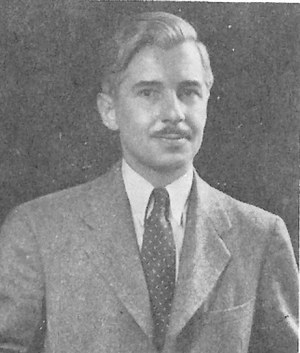
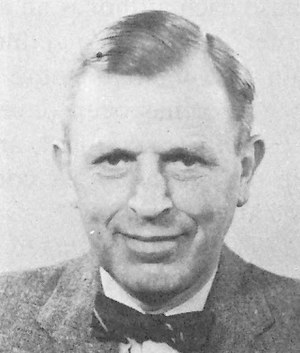
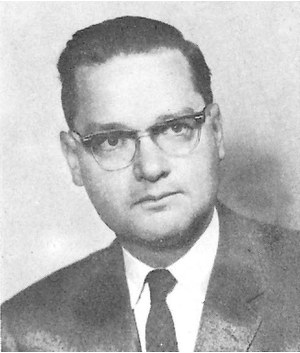
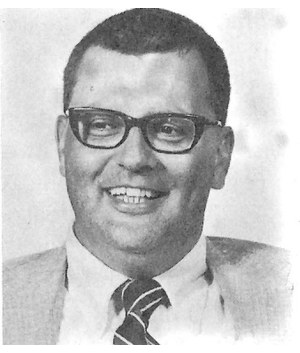
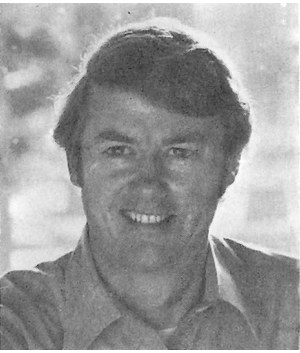
Editors-in-Chief
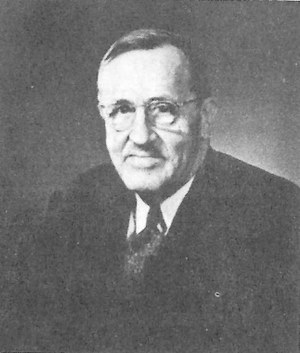
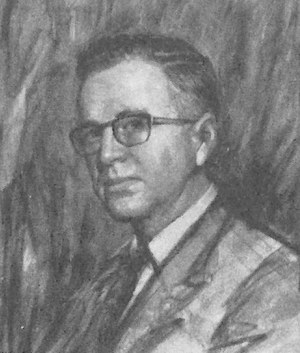
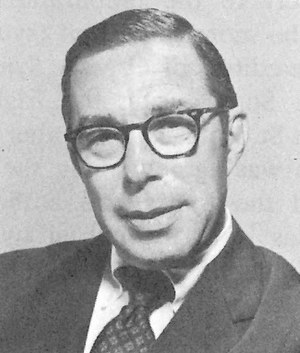
discussions of work in progress, were the bases of an annual working dinner for the editors.
Invitations to write chapters were extended by the Editor-in-Chief, and those who knew Roger Adams will not be surprised that few invitations were declined. Correspondence with authors and publishers between the annual meetings was handled by one of the editors who also served as secretary.
There was no formal rule on an editor’s length of service; the informal understanding with the original board of five was that they would serve through the publication of five volumes.
Each draft manuscript when received was duplicated (no photocopy then!) and copies were sent to the editors. Every editor read each draft manuscript for accuracy and completeness of the chemistry involved and for clarity and effectiveness of presentation. Comments on these
Original Editorial Board
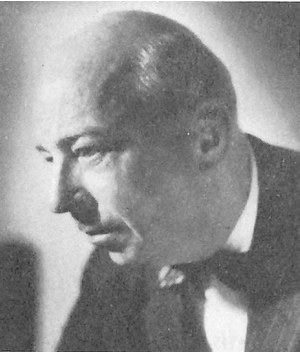
matters were sent in writing by each editor to the Responsible Editor—an editor who had either volunteered or had been “volunteered” (army style) to follow the manuscript, with the aid of the Secretary and the Editor-in-Chief, through to publication or rejection.
The Responsible Editor summarized the comments tactfully and sent the summary to the author to enable him to take advantage of the comments in revising the manuscript.
The revised manuscript was read by the Responsible Editor and, if it met with his approval and that of the Editor-in-Chief, was copy edited and sent to the publisher. If the revised manuscript was not considered satisfactory it was referred to the Editorial Board, which would recommend rejection, acceptance, additional revision, or assistance by a co-author or an editor. The number of rejections was small but the amount of work done by authors and editors was often considerable.
The publisher also copy edited each accepted manuscript and sent it along for composition. Galley proofs were read by all editors, and their marked galleys sent to the Secretary who combined the corrections on a set of master galleys that served as the basis for page proofs. All page proofs were read by all editors. Finally, one editor prepared the index and checked the front material, which had been made up by the publisher.
The authors, of course, also read galley and page proofs. ___HR___ The editorial process just described means that Organic Reactions, in publishers’ jargon, is “‘tightly edited.” Tight editing is the heart of quality in multiauthor books, but it makes heavy demands on authors and editors—really the same group because each author is an associate editor of the volume in which his chapter appears. To reduce these demands on individuals and still obtain maximum benefits of tight editing, a mixture of constraints and assistance has been developed.
The size of the editorial board has been almost doubled, and there are two secretaries who have taken the responsibility for correspondence and part of the responsibility for handling proofs.
Only actual errors (‘the yield was 178%”) are corrected without consulting the author. It was agreed at the outset that the editors’ function is to help the author say what he wants to say in such a way that it would be difficult for a reader to misunderstand. To achieve this, changes in wording or arrangement are suggested for the author’s consideration together with the reasons for the suggestions. Acceptance by the author depends on the cogency of the editors’ letters. This has avoided asking for changes that represent an editor’s preference for or dislike of a word or phrase—a practice that, justifiably, irritates authors. The author—editor relationship is not that of adversaries but one of people working toward a common goal. It is probably for this reason that so many authors over the years have written to thank the editors for their assistance.
Organic Reactions helps authors in making the literature search, pays for typing manuscripts, and furnishes each author with reprints of his article. Small recompense, but organic chemistry is the spur.
A final comment: the greatest difficulty we have had with manuscripts is the authors’ tendency to write for the chemist who knows most about the reaction being reviewed rather than for the chemist who wants to learn about the reaction. To give a fictitious illustration: a chapter on the Wittig reaction should be written, not for Professor
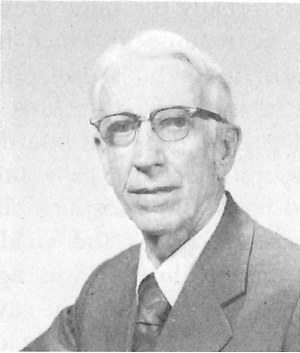
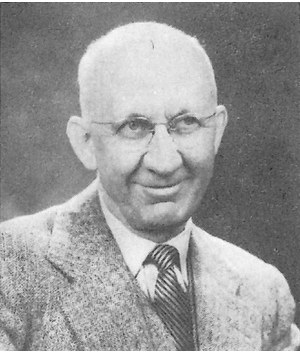
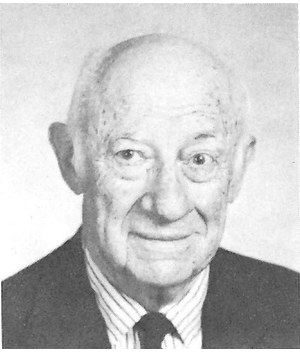
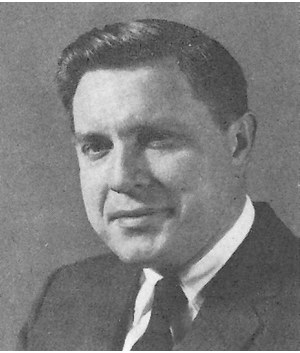
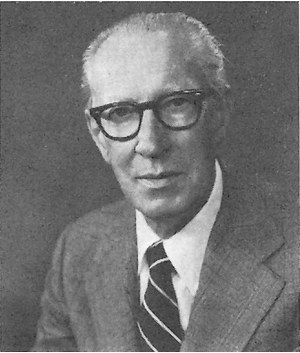
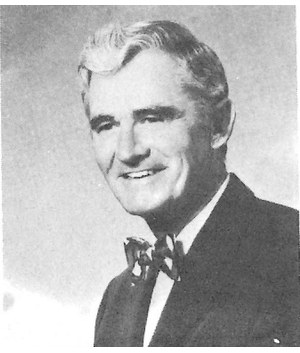
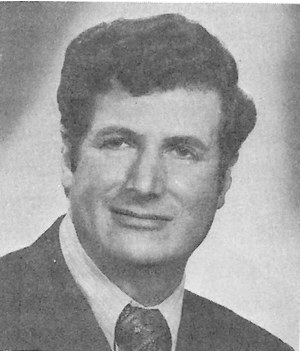
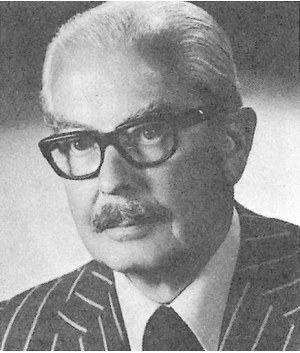
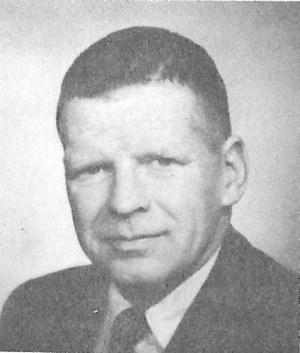
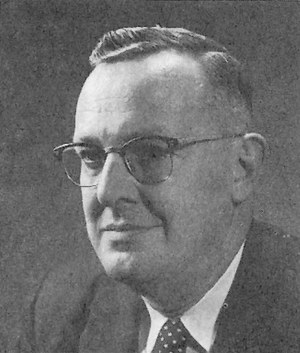
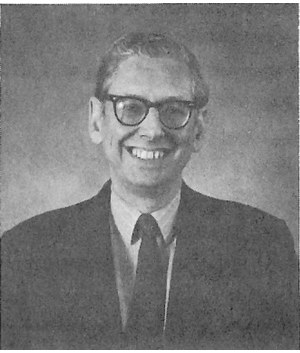
Advisory Board
Wittig but for chemists who want to familiarize themselves with the Wittig reaction. When authors keep the readers in mind, the results are better for both authors and readers.
The Product
In a verbless sentence: 25 volumes, more than 216,600 copies as of the end of 1976, about 140 synthetic reactions (including the updates) discussed by almost 185 authors. The largest number of chapters, 12, was in the first volume; the smallest number, 1, was in volume 16; the average number of chapters per volume is slightly more than 5.
The majority of chapters originated in the United States. However, chapters have come from nine other countries and from five of the seven continents. It is not surprising that the great majority of chapters came from universities. However, the support from the chemical industry has been both consistent and significant. Volume 1 contained two chapters by chemists in industry, Volume 21 was written entirely by industrial research chemists, and almost a third of the chapters in the series have come from the same source. With the publication of Volume 5, the first editor from industry joined the Editorial Board and since that time there has always been at least one editor from industry. Organic Reactions is. truly a joint effort of organic chemists, worldwide, industrial, and academic.
The scope—a term familiar to all users of the series—extends from such ‘‘classical” reactions as Cannizzaro, Hofmann, and Perkin to such modern ones as the Ritter reaction, the Wittig reaction, and the Ramburg-Backlund rearrangement. It includes older reactions that have acquired renewed interest, such as hydrocyanation and the synthesis of cyclopropanes using the zinc-copper couple.
The list of reactions, which can be found as an index in the most recently published volumes, is an overview of synthetic organic chemistry, and the series has become the most widely used one in the graduate training of organic chemists.
The problem of keeping Organic Reactions up to date was recognized early and has been the subject of frequent discussions that have not been limited to the editors. The present plan, adopted until a better one is found, began with Volume 22. It is to present a brief report on important new developments, together with a critical, but not complete, survey of the literature since the earlier report. The nature and extent of the coverage are specified in each update.
One change in Organic Reactions over the years deserves separate
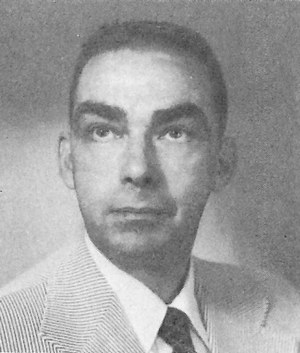
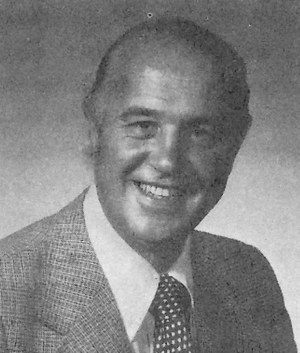
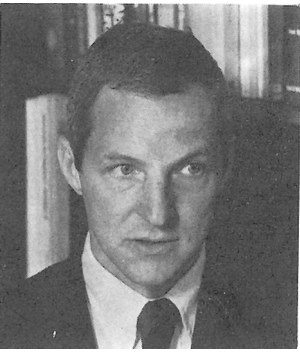
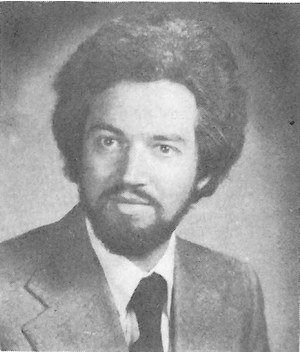
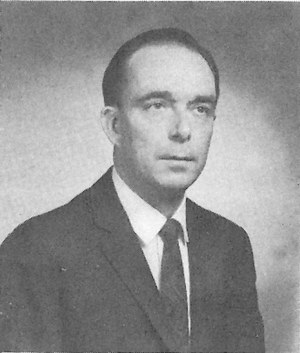
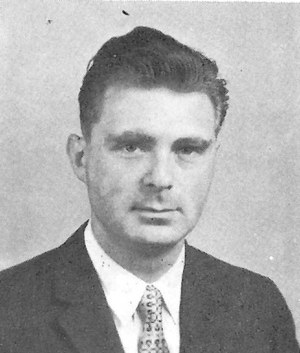
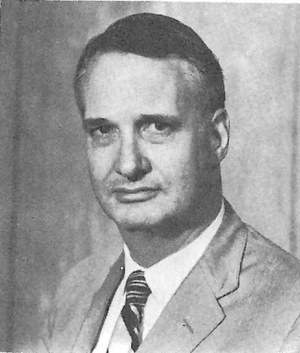
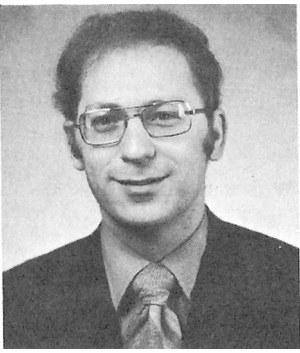
Editorial Board
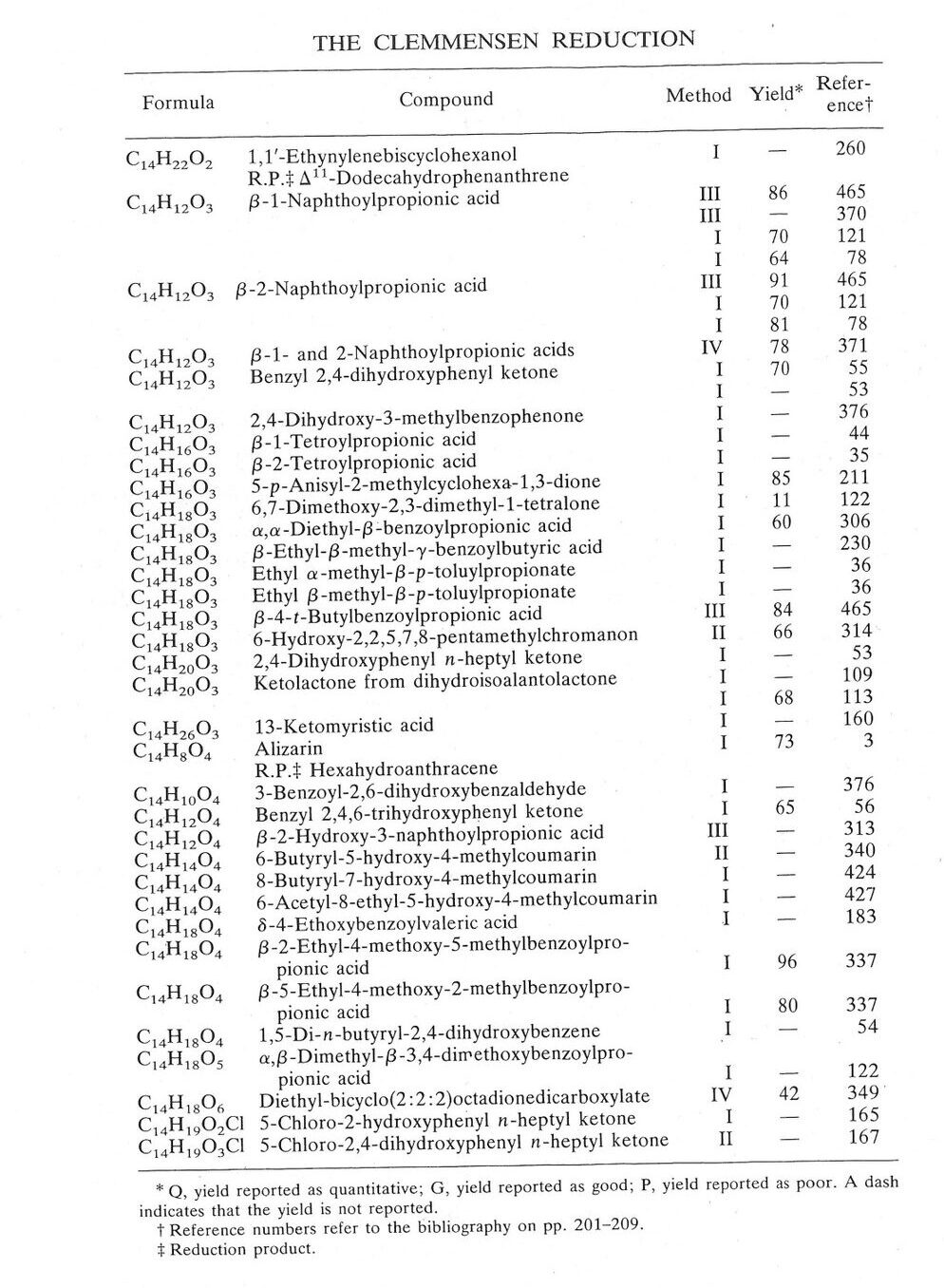
comment. The average chapter length in Volume 1 was 33 pages. The average chapter length for the series approximates 80 pages. The change reflects the increase in the amount of organic chemistry published beginning after World War I, with the declassification and publication of research done during the war. This increase, however, was small compared with the increase that resulted from the introduction and spread of instrumentation. The black boxes increased the effective lives of organic chemists as did the discovery of logarithms earlier for astronomers. By the 1950s the publication rate was more than doubling each decade and, as the number and capabilities of the instruments grew, they not only produced more data but data that was previously unavailable and that permitted a better understanding of both structure and mechanism. The changes are illustrated in part by a comparison of two pages reproduced from Volume 1 and Volume 23 (see pages xx and xxi). The changes also resulted in Organic Reactions becoming not only necessary but essential.
By-Products
It was a fad some years ago to display signs in executive suites that read “This is a non-profit business but it wasn”t planned that way’’. Organic Reactions has been just the reverse. It has been profitable, but the profits do not go to any individual. It was clear by the late 1940s that the series was needed and royalties had accumulated, so that the pleasant problem of how best to use them for education and research needed to be faced. The first action was to invest the royalties, so that the dividends and interest would smooth as much as possible the irregularities of income. This problem arose because the royalties were much higher in the year a volume was published than in other years and the series was not amenable to annual publication. The investments were successful, thanks to the acumen of Roger Adams and Arthur Cope. Income was stabilized sufficiently to permit a planned program, which began in traditional fashion with contributions to fellowship funds memorializing chemists who had been closely associated with Organic Reactions and its older sister Organic Syntheses. Along with these actions, but in a happier vein, was a series of annual dinners for the authors who had written chapters for the series. These dinners, held during American Chemical Society meetings, served to say thank you to the guests and enabled them to get to know each other as persons as well as chemists.
The annual dinners were so well attended and so successful that they destroyed their own usefulness as the number of authors grew larger
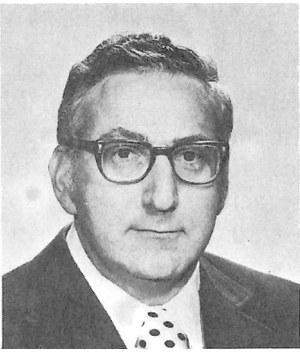
and larger. Finally in the late 1960s these dinners were reluctantly replaced by dinners for chemists who were writing chapters for forthcoming volumes. The smaller dinners, which are by now a tradition, have two nonchemical features of interest. First, they anticipated the new feminism by including women as authors and as guests. Second, they have made it moot whether prospective authors write more slowly than their predecessors did.
I must digress for one other one-time action. In 1951 during the 75th anniversary of the American Chemical Society, Organic Reactions had a small dinner to renew pre-World War II associations and to talk shop. Informally the dinner is remembered not only for the excellence of food, wines, and conversation, but also for the fact that the guests came from six continents and the percentage of Nobel Laureates, past and future, among them was very high.
Larger aid to chemistry and eduction followed a suggestion by John D. Roberts to sell up to a complete set of Organic Reactions at half the list price to graduate students, postdoctoral fellows, and research associates in chemistry, that is, to those who had not accepted what could be expected to be a permanent job. To avoid complications with foreign exchange, the offer was limited to colleges and universities in the United States and Canada. Later it was extended to include undergraduate majors and majors in related fields such as biochemistry. The difference between the amount a student paid and the actual cost of the volumes was made up by Organic Reactions. About 22,500 copies have been sold between December 1956, when the offer began, and December 31, 1976. Not a single student has failed to pay for his or her purchase. 7
Finally a personal touch. At one (deliberately dateless) meeting of the corporation, the directors, in a mood more expansive and expensive than prudent, changed the offer to $50.00 for a set of volumes. The result was a flood of orders that broke all records and threatened to bankrupt the corporation. Quick action returned the offer to its original form and the sale at half price has continued ever since.
The other by-product, a joint action of Organic Syntheses and Organic Reactions, is the funding of the Roger Adams Award—a major biennial award in honor of the founder of both organizations.
Two more items should be added to end these recollections. The first is that the appearance of a chapter in Organic Reactions serves to initiate work on the reaction discussed—an observation that has been verified by checking the number of references to the reaction for a few years before and after the appearance of the chapter. The second is that of all the by-products, the most rewarding to authors, editors, and secretaries are the associations that have resulted from working together.
A Page from Volume 1 of Organic Reactions
A Page from Volume 23 of Organic Reactions
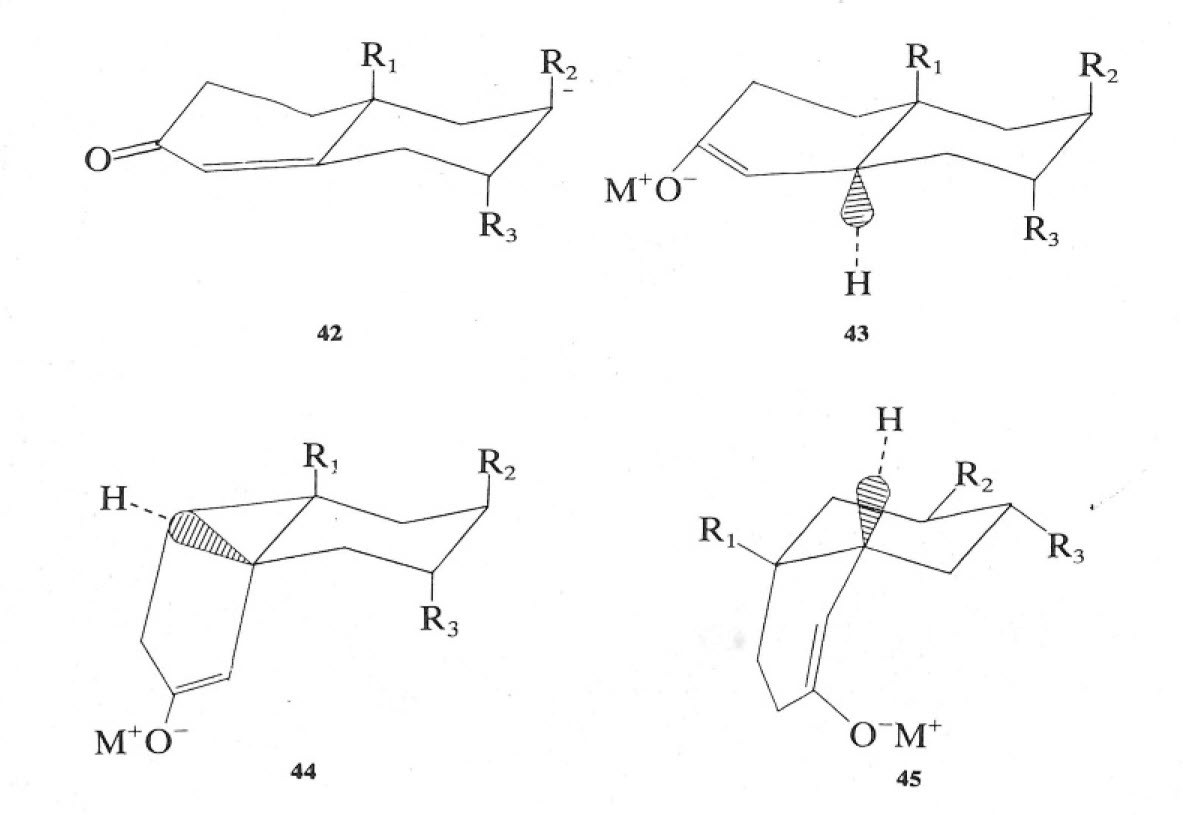
predicted from simple analysis of nonbonded interactions in the two stereo-electronically allowed reduction products; and, second, in systems in which a significant amount of strain must be introduced in order for protonation to occur axially, transition states resembling 45 in which the new C—H bond forms quasi-equatorially to the enolate ring may become important.
In connection with the first point, it may be noted that reductions of many 1(9)-octalin-2-ones yield trans products with a high degree of stereoselectivity.78 For example, it was pointed out that 1(9)-octalin-2-one (25)
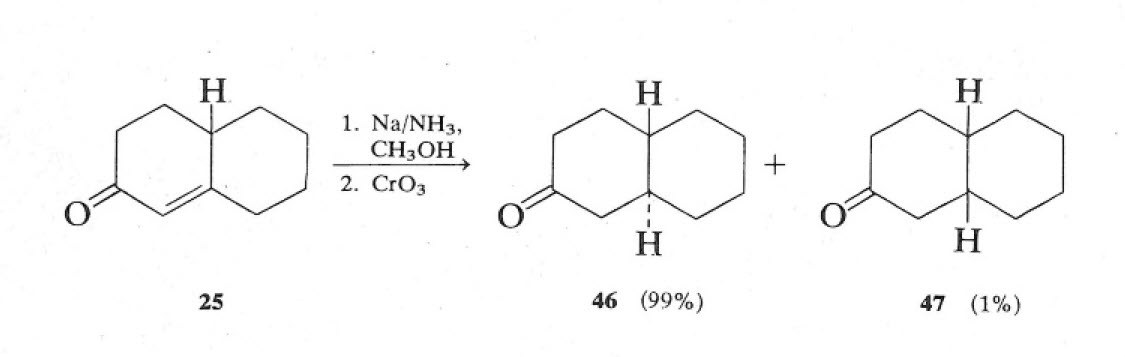
yielded a 99/1 mixture of the trans– and cis-decalones 46 and 47 on reduction with sodium in liquid ammonia, whereas analysis of nonbonded interactions in the corresponding 1(2)-enolates 48 and 49 indicated that the
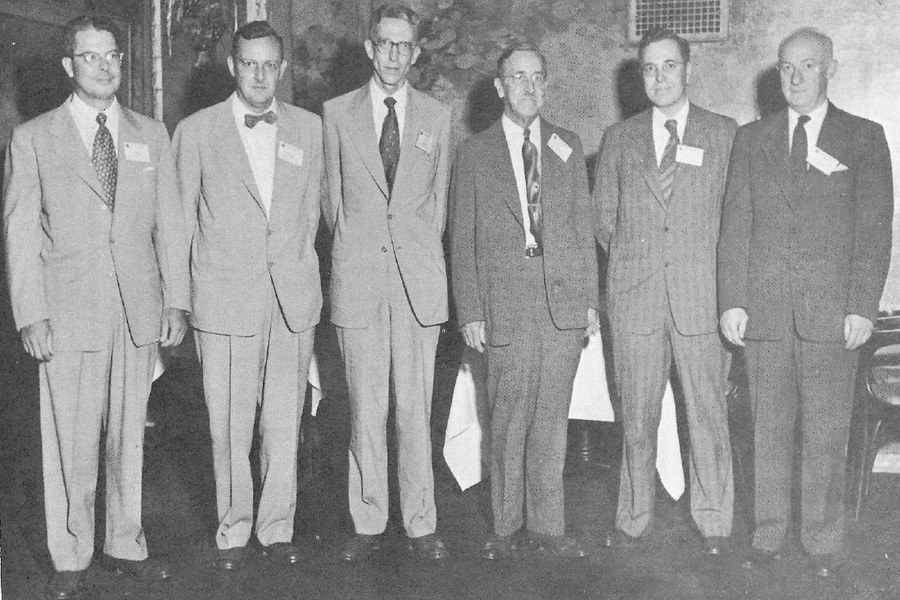
Left to right: F. C. McGrew (DuPont); C. Niemann (California Institute of Technology); H. R. Snyder (University of Illinois); Roger Adams (University of Illinois and Editor-in-Chief); A. C. Cope (Massachusetts Institute of Technology); A. H. Blatt (Queens College).
I am indebted to several friends and associates who read these pages and made suggestions. I am particularly indebted to Harold R. Snyder, a member of the original Board of Editors, both for his suggestions and for correcting my too often vagrant memories of the early days. The errors of fact and emphasis that remain are mine.
A. H. Blatt